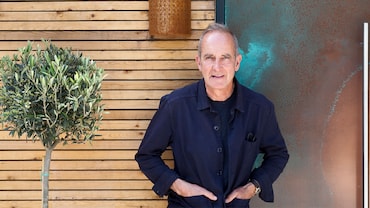
Martins Ritins is one of Latvia's finest chefs and the man who taught Heston how to make lamprey nerve spaghetti. Ever wondered how to cook a blood sucking eel? Here's the man who can…
Lampreys have been around for around 500 million years. They are ugly looking suckers that feed on the blood of other fish. But nevertheless, they are one of the wonders of the natural world. What other large fish could you eat in its entirety... head to tail, bones and all? It's amazing to consider that people have been eating them since prehistoric times. They are considered a delicacy in many parts of the world, not just the Baltic but hotter climes such as the Mediterranean and Iberian countries. The lamprey has a meatier taste than most other fish and, because of its natural habitat, the flavour varies from catch to catch.
The best way to cook them is as soon as they are caught, rubbed with salt and then grilled on embers dipped in mustard.
Over the years, fish stocks in British rivers, as in many rivers in the world, have suffered from overfishing and pollution. The Thames used to be chocka with all types of fish including lamprey, oysters and salmon. Apparently the fish are slowly coming back. However, it is possible that the lamprey fell out of favour with the British public, because in all honesty, it is not the prettiest of fish to see on the fishmonger's slab.
Taking the nerve out of the lamprey when it is very fresh is very simple. This needs to be done right after it has been netted. If not fresh it breaks in small pieces and then is impossible to take out neatly. It tastes somewhere between exotic popcorn and a shrimp cracker.
Sounds a bit Hammer House of Horror, but you have to remember that blood is a natural flavouring and thickener. Without it, traditional Black Pudding would just be little chunks of meat.
Latvian food culture is primarily agrarian with recipes passed down from generation to generation. Like Italy, for example, each region has its own traditional dishes. Much of the cuisine is based on food gathered from the forests... mushrooms, berries, wild herbs, as well as game such as boar and deer. Early spring is the time for tapping birch sap which is turned into an aromatic effervescent drink.
The coastal regions of Kurzeme and Vidzeme are rich in fish dishes, while Latgale and Zemgale have excellent pork. The heritage varieties of apples found in Latvia would have the apple growers of Normandy salivating for the crisp, fresh flavours and Latvian smoked fish, especially eel is, without comparison.
Up to a few years ago, many gardeners would keep the sunniest patch in their garden for growing cannabis plants. Every area would have at least one grower whose plants surpassed everybody else's (much like champion marrow growers in English villages). The seed would be gathered to make 'kanepjusviests'; literally, cannabis butter. Like peanut butter - with attitude. Now, indiscriminate growing of cannabis has been outlawed, but the delicious butter is still made by authorised growers.
National dishes are many and varied, and it is difficult to pick out the best, but amongst my favourites are Janu Siers, a unique cheese, studded with caraway seeds which is prepared especially for Midsummer Nights Eve, traditionally washed down with copious mugs of Latvian beer. Rye and sourdough bread are still baked to ancient recipes. Piragi are crescent shaped yeast buns filled with finely chopped bacon and onions and a must for any social gathering. Sorrel soup with its glorious fresh green colour is traditionally served with a hard boiled egg. And nothing can beat a slice of layered heather honey cake. No meal is complete without a shot or two of Riga Black Balsam, a mystical digestive dating back to 1752. Thick, black and viscous it is a very potent herbal liqueur which, allegedly, cures all ills... or at the very least, makes you forget about them.
The period that I would like to have loved to have eaten would have to be the Aztec era in the 12th century. Food that was reserved for warriors and nobility. So pure and clean and especially the innovative use of chocolate. Tropical, exotic but oh so simple.
Your Comments
Post your comment
Please note: In order to post a comment you need to be registered and logged in to Channel 4:
Sign In Here or Register Here
Comments closed
Comments are closed at the present time
Comments
Thank you for your comment!
Your message will be reviewed and the best ones will be published below.
If you intended to make an official comment to Channel 4 please contact us.
Comments