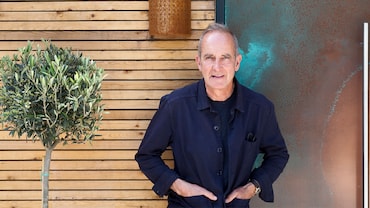
4Food's Charlie Cottrell joined author Charles Clover for a screening of The End of The Line and some hard truths about the way we fish and eat
The issue of over fishing has been on the foodie radar for years but, with the arrival of sustainable fish on the supermarket shelves, the problem has finally reached a wider audience. According to Charles Clover, author of the book on which the eco film The End of The Line was based, over fishing is one of the world's most pressing environmental issues. Here are some of the documentary's most chilling facts:
1. The World Wildlife Fund reports as many as 90 per cent of all the ocean's large fish have been fished out. If we fail to change large-scale fishing practices now, it is estimated that stocks of all the fish we eat will have crashed by 2048.

2. Bluefin tuna is classified as endangered, at the same level of threat as the giant panda. Despite this, it still appears on the menu of the world's most exclusive restaurants.
3. In 2006, the annual quota of bluefin tuna permitted to be caught was 32,000 tons. According to the World Wildlife Fund, an advisory board of scientists recommended the 2007 catch should be reduced to 15,000 tons to prevent collapse. Instead, the EU set a quota of 29,500 tons. With illegal fishing, the actual amount of bluefin caught in 2007 was estimated to be 50,000 tons.
4. Illegal fishing is estimated to be worth $9 billion per year.

6. Fishermen had been landing cod from Newfoundland since the Middle Ages. By 1992, the cod stock had crashed and cod fishing was immediately banned. 40,000 people lost their jobs overnight. Stocks have still not recovered.
5. A report by the House of Lords declared 50 per cent of cod caught North Sea to be stolen. To put it another way, every other portion of cod you eat has potentially come from an illegal fish supply.

7. The mouth of the largest trawling net used to catch fish is big enough to contain 13 Boeing 747 aeroplanes.
8. 7 million tons of fish are wasted every year due to large-scale fishing techniques. This amounts to one tenth of the world's catch. Dolphins, turtles and sea birds are also caught up and killed in the huge trawling nets.
9. Fish farming, or 'aquaculture', uses more fish than it produces. 5kg of anchovies are required to farm 1kg of salmon. It would be a better use of the world's fish resources to simply eat the anchovies.

10. A Greenpeace report recommends 40 per cent of the world's oceans should be made into nature reserves, to allow fish stocks to recover.
More information on The End of the Line
Find out which restaurants are tackling the fish issue on the Fish2Fork blog
Hugh's guide to sustainable British fish
Top chef Tom Aikens talks fish
Read the Film4 review of End of the Line
Watch the Q&A with Charles Clover, author of End of the Line
Your Comments
Post your comment
Please note: In order to post a comment you need to be registered and logged in to Channel 4:
Sign In Here or Register Here
Comments closed
Comments are closed at the present time
Comments
Thank you for your comment!
Your message will be reviewed and the best ones will be published below.
If you intended to make an official comment to Channel 4 please contact us.
Comments